

Experts urge allergy labels for pine nuts, goat’s milk
Health experts are urging food regulators to include pine nuts and goat’s milk on the official list of allergens that require clear labeling. They argue that while both are increasingly present in everyday diets, their risks remain underestimated and poorly communicated to consumers.
Why are pine nuts a concern
Pine nuts, often used in pesto, baked goods, salads, and snack mixes, are part of the tree nut family. Although less common than peanut or almond allergies, pine nut allergies can be just as severe. Reactions range from skin rashes and hives to life-threatening anaphylaxis.
Dr. Sarah Mitchell, an allergy researcher, explained that pine nut allergies, though less common than peanut or cashew allergies, can trigger severe reactions, including anaphylaxis. “Just because pine nuts aren’t as widely consumed doesn’t mean they’re less dangerous. For those with the allergy, even trace amounts matter,” she said.
Dr. Emily Carter, an immunologist at the UK Allergy Institute, explained:
“Because pine nuts aren’t on standard allergen labeling lists in some countries, they can easily be hidden in foods. That makes it difficult for people with allergies to protect themselves.”
Recent studies suggest that pine nut allergies may be underreported because many people mistake symptoms for other food sensitivities. Experts say clearer labeling would help improve diagnosis and prevention.
Goat’s milk: misunderstood alternative
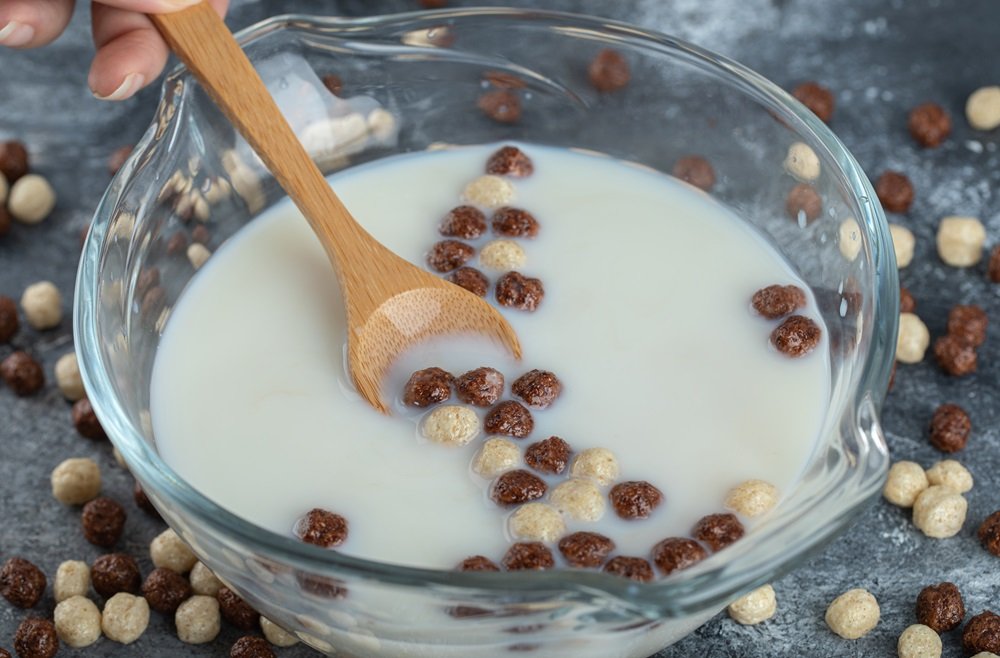
Goat’s milk is often marketed as a “gentler” alternative to cow’s milk. It’s found in specialty cheeses, infant formula, yogurts, and skincare products. However, proteins in goat’s milk are structurally similar to those in cow’s milk, meaning anyone with a cow’s milk allergy is likely to react to goat’s milk as well.
“Parents sometimes assume goat’s milk is safer for children with cow’s milk allergies, but this can be dangerous,” said Dr. Ahmed Khan, a pediatric allergist. “The immune system recognizes the proteins as nearly identical, and severe reactions can occur.”
Push for stronger regulations
In many regions, including the EU, the US, and parts of Asia, regulators require clear labeling of the “big eight” or “major nine” allergens, such as peanuts, tree nuts, milk, eggs, soy, wheat, fish, and shellfish. Pine nuts are technically a tree nut, but they are not always emphasized on packaging. Goat’s milk, meanwhile, is often treated as a niche product rather than a mainstream allergen risk.
Consumer safety groups argue that the rise of plant-based diets and specialty dairy alternatives has increased the use of pine nuts and goat’s milk in everyday products, making clearer labeling more urgent.
Advice for consumers
Until policies change, experts recommend that individuals with known allergies:
Always read ingredient lists carefully.
Watch for alternative names (pine nuts may be listed as pignolia or pignoli).
Ask restaurants or food manufacturers directly about hidden ingredients.
Carry prescribed medication, such as antihistamines or epinephrine, if at risk of severe reactions.
The bottom line
Pine nuts and goat’s milk may not be among the most common allergens, but for those affected, exposure can be serious. Experts agree that clearer allergy labeling is a straightforward step that could prevent hospitalizations and save lives.