

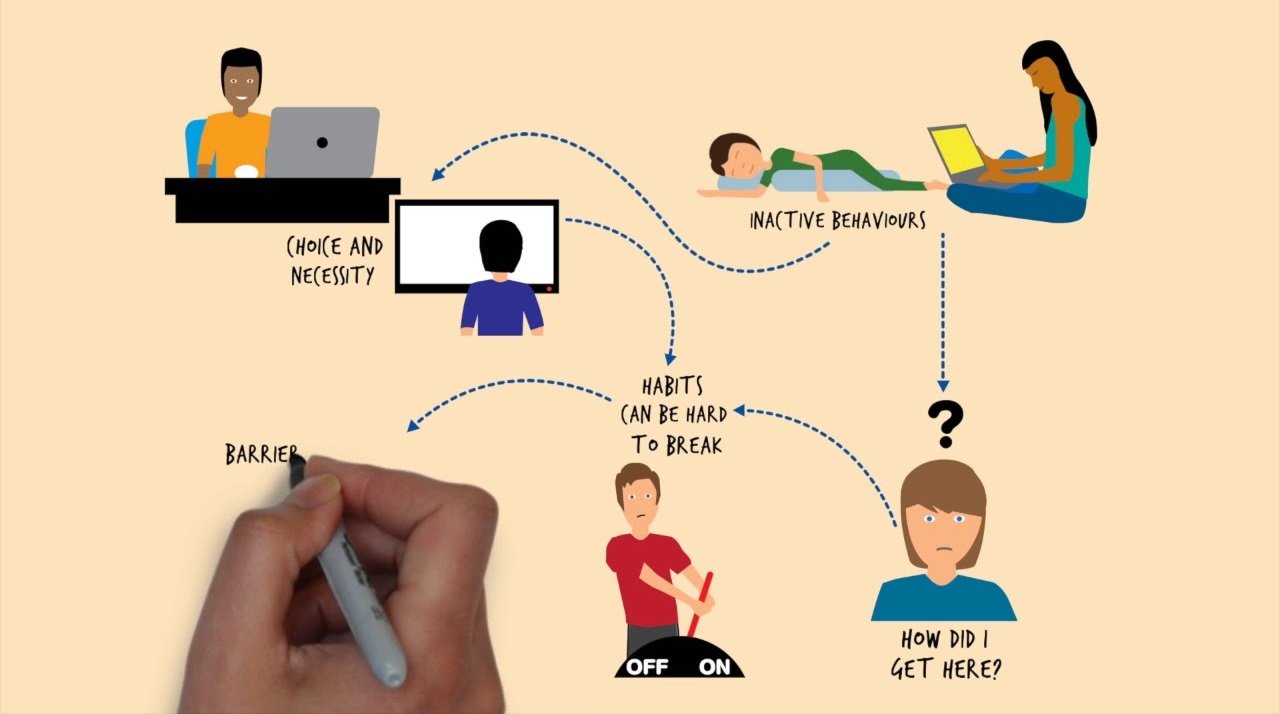
In today’s fast-paced world, it’s easy to fall into the trap of a sedentary lifestyle. With the rise of technology and convenience, many people find themselves spending long hours sitting at desks, on couches, or in front of screens. While this may seem like a harmless habit, the effects of physical inactivity are far-reaching, impacting both your physical and mental health. In this article, we’ll explore the dangers of a sedentary lifestyle and offer practical tips to incorporate more movement into your daily routine.
The Growing Concern of Physical Inactivity
Physical inactivity is a significant global health concern. According to the World Health Organization (WHO), approximately 80% of the world’s adolescent population is not active enough. The situation is equally worrying for adults. Prolonged sitting, minimal physical activity, and a lack of exercise have been linked to various chronic health conditions. These include heart disease, obesity, diabetes, and even mental health disorders like depression and anxiety.
While many people are aware of the need for exercise, they may not realize that the hours spent sitting still can contribute to a wide range of health issues. Sitting for extended periods, whether at a desk or in front of a screen, can reduce the body’s natural ability to burn calories and maintain healthy circulation. Over time, this can lead to weight gain, muscle atrophy, and poor posture, which may exacerbate other underlying health problems.
Physical Inactivity and Its Impact on Your Body
Increased Risk of Heart Disease
A sedentary lifestyle has been directly linked to an increased risk of heart disease. Sitting for long hours can lead to poor circulation and a buildup of plaque in the arteries, which can elevate blood pressure and cholesterol levels. These factors are major contributors to cardiovascular diseases such as heart attacks and strokes.Weight Gain and Obesity
Physical inactivity is a primary cause of weight gain. When you’re not moving, the body burns fewer calories, which can result in the accumulation of excess fat. Moreover, the loss of muscle mass due to inactivity can slow down your metabolism, making it even harder to maintain a healthy weight.Diabetes Risk
Prolonged inactivity can also affect insulin sensitivity, increasing the risk of developing Type 2 diabetes. When you remain inactive for extended periods, your body’s ability to process glucose decreases, leading to higher blood sugar levels over time.Weakened Muscles and Joints
A sedentary lifestyle leads to muscle weakness and joint stiffness. Sitting for long hours can cause muscle atrophy, particularly in the legs, hips, and lower back. This can lead to poor posture and an increased risk of musculoskeletal pain and injuries.Mental Health Issues
The effects of physical inactivity aren’t limited to the body; they also affect your mind. Studies show that prolonged sitting can increase the likelihood of developing mental health issues like anxiety, stress, and depression. Exercise, on the other hand, has been proven to improve mood, reduce anxiety, and boost cognitive function.
The Importance of Movement
While the risks of physical inactivity are clear, the good news is that even small amounts of movement can make a big difference in your health. Regular physical activity can help reduce the risks associated with a sedentary lifestyle, improve heart health, and support mental well-being.
Enhance Cardiovascular Health
Cardiovascular exercise, such as walking, jogging, or cycling, can help reduce the risk of heart disease by improving circulation and lowering blood pressure. The more you move, the healthier your heart becomes.
Prevent Weight Gain
Regular physical activity helps burn calories, maintain muscle mass, and boost metabolism. Even simple activities like walking or using stairs can help you keep your weight in check and avoid obesity-related health issues.Boost Mental Health
Physical activity releases endorphins, the body’s natural mood elevators. Engaging in exercise helps to reduce stress, boost your mood, and promote better sleep, all of which contribute to improved mental health.Improve Flexibility and Strength
Incorporating stretching, yoga, or strength training into your routine can help prevent muscle stiffness and joint problems. Maintaining flexibility and strength can also reduce the risk of injury and improve your posture.
Practical Tips to Fight Physical Inactivity
Take Breaks
If you work at a desk for long hours, make it a habit to take breaks every 30 minutes. Stand up, stretch, or take a short walk. This will help improve circulation and give your muscles a break from prolonged sitting.Use a Standing Desk
Consider using a standing desk or a convertible desk that allows you to alternate between sitting and standing. This simple change can help reduce the amount of time you spend sitting each day.Exercise Regularly
Aim for at least 30 minutes of moderate-intensity physical activity, such as brisk walking, five days a week. If you’re new to exercise, start slowly and gradually increase your activity level. Find activities you enjoy, such as dancing, cycling, or swimming.Take the Stairs
Choose the stairs over the elevator whenever possible. Climbing stairs is a simple yet effective way to improve cardiovascular fitness and strengthen your legs.Walk or Cycle
Instead of driving short distances, consider walking or cycling. This not only helps you stay active but also reduces your carbon footprint.Stretch and Strengthen
Incorporate stretching and strength training exercises into your weekly routine. These exercises help maintain flexibility, build muscle, and prevent the stiffness that comes with prolonged sitting.
Conclusion
Physical inactivity is a serious health issue that can negatively impact every aspect of your life. From increasing the risk of heart disease to affecting your mental health, the consequences of a sedentary lifestyle are far-reaching. However, with a few simple changes, you can reduce these risks and enjoy a healthier, more active life. So, get moving today—your body and mind will thank you!